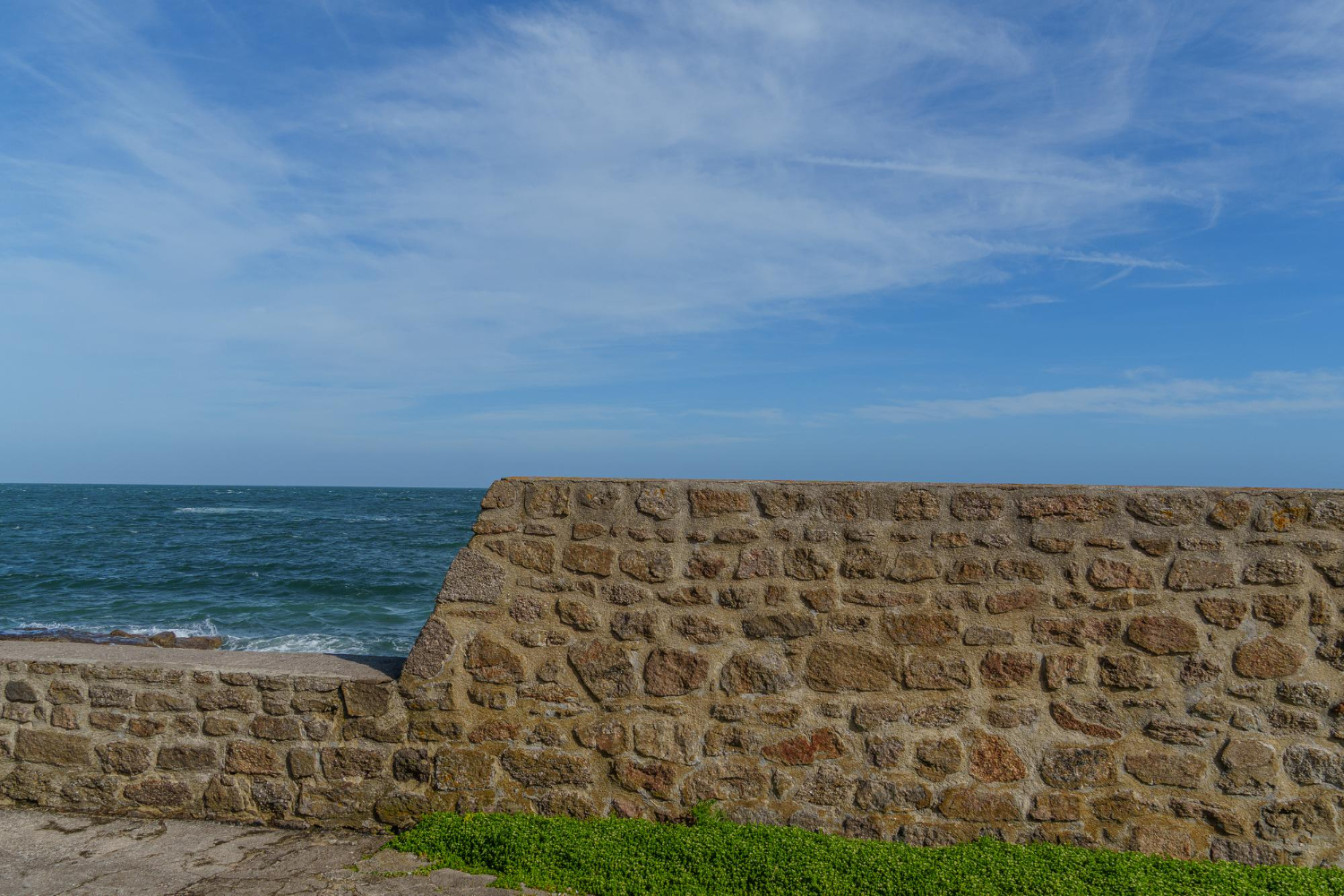
Choosing a retaining wall for a coastal Perth property means looking beyond colour and finish. Sandy soils, sloping blocks, salt air and rainfall can all affect how a wall performs over time. We help you weigh up the practical differences between limestone and concrete, so the finished wall suits the site rather than simply looking good on day one.
The right choice comes down to stability, drainage, appearance, upkeep and long-term value. Both materials can work well when the wall is designed around the levels on your block, soil conditions, nearby structures, loading needs and local council requirements.
Limestone Retaining Walls Can Suit Coastal Perth Blocks
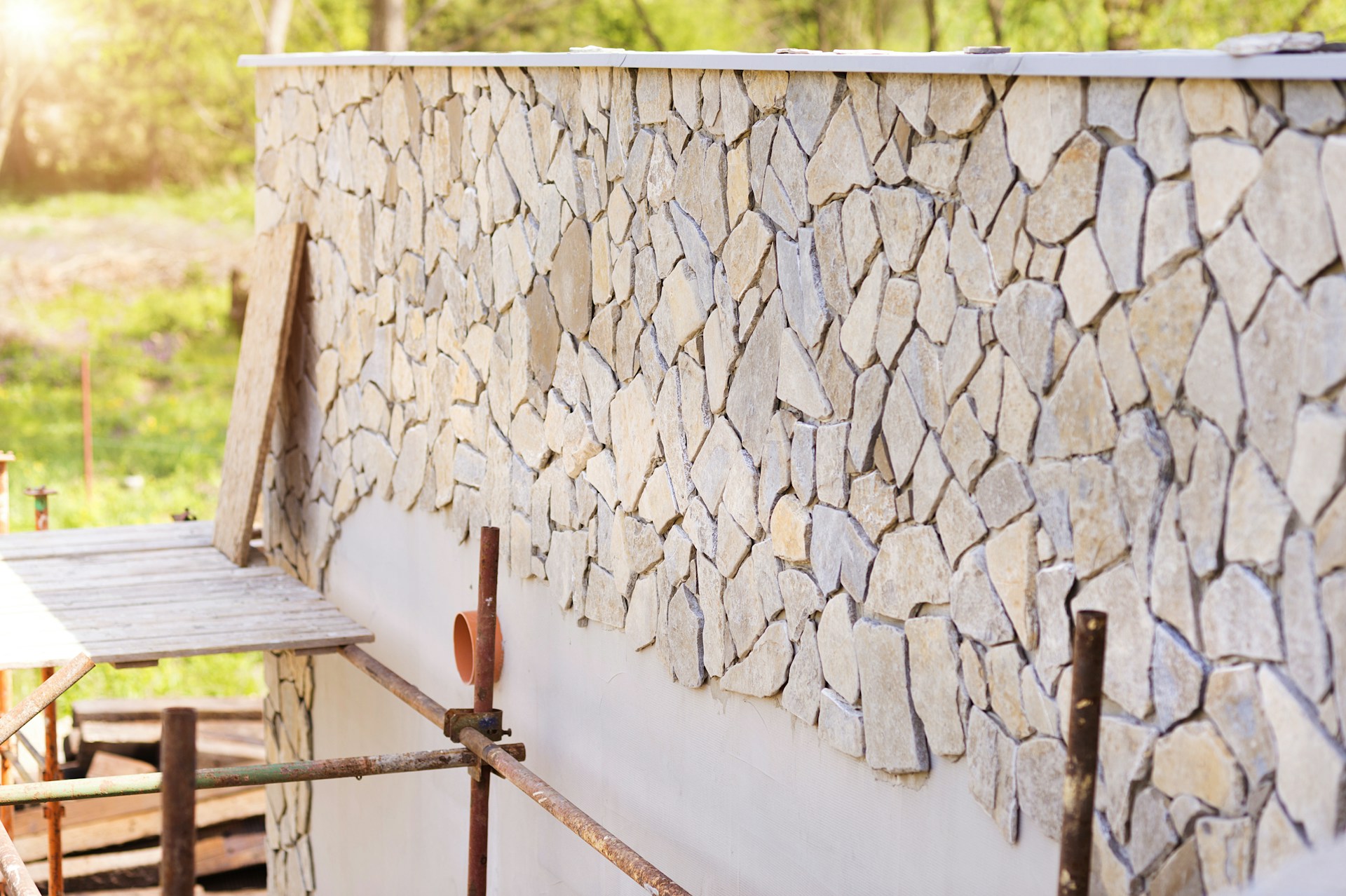
Limestone retaining walls in Perth remain a popular choice for coastal homes because they sit naturally alongside local gardens, paving and outdoor areas. Their light, textured appearance can soften hard boundaries and work well with both established homes and new builds. For many properties, limestone provides a practical wall that does not feel overly industrial.
On lower to moderate retaining applications, limestone can perform well when it is installed with suitable footings, compacted backfill and proper drainage behind the wall. The wall should be treated as part of the whole site, not as a standalone feature. Levels, runoff and surrounding structures all need to be considered before construction begins.
We take extra care with coastal blocks because sandy ground can shift and water can move quickly through the site. Quality blocks and correct installation help reduce the risk of movement, staining and early wear. Depending on the property, we may also need to consider:
- The height of the proposed wall
- The slope above or below the retaining area
- Nearby fences, buildings or paving
- Vehicle loads from driveways or parking areas
- Water flowing towards the wall after rain
Higher walls, steep sites and walls close to structures may need engineering advice before work starts. A natural finish is a strong reason to choose limestone, but the ground beneath it still has to do the hard work.
Concrete Retaining Walls Deliver Strength on Challenging Sites
Concrete can be the better fit where a block has tougher conditions or the wall has more to support. Common options include reinforced concrete walls, precast panel systems and concrete block walls. Each option has different strengths, and the best choice depends on access, site levels and the finish you want around the property.
Where limestone may suit a lower garden terrace, concrete can provide greater capacity for taller walls and more demanding locations. We often consider concrete where there is a steep gradient, limited room near a boundary, or added pressure from a driveway, pool or building.
Concrete retaining may be suited to situations such as:
- Taller changes in ground level
- Boundary walls with limited working space
- Driveways or hardstand areas above the wall
- Sites with tight access for materials and equipment
- Walls supporting areas close to buildings
That extra strength does not remove the need for good drainage. Water pressure behind any retaining wall can cause trouble, regardless of the material used. In coastal areas, concrete designs also need to account for salt-air exposure, particularly where steel reinforcement or finishes may be exposed over time.
Construction timing, excavation needs, drainage components and the wall finish can all affect the overall scope. For that reason, we recommend choosing the wall system after the site has been assessed, rather than picking a material from photos alone.
Drainage and Maintenance Shape Long-Term Value
The materials are only one part of a retaining wall project. Access to the block, excavation, footings, engineering, drainage materials and finishing around the wall all influence the final build. A wall that appears simple from the front may need careful preparation behind it to manage soil and water safely.
Water building up behind a wall is one of the biggest risks we see. It adds pressure to the structure and can wash soil away, cause stains or lead to movement. A suitable drainage plan may include agpipe, free-draining aggregate, geotextile, weep holes where appropriate, and surface grading that directs water away from the wall.
Maintenance is usually about noticing small changes early. Limestone may need occasional checks for weathering, marks from runoff and minor movement. Concrete should be inspected for cracks, drainage problems and signs of wear around finishes or exposed reinforcement.
Neither material is maintenance-free, but both can remain practical choices when drainage is treated as part of the retaining design from the beginning.
Late Winter Is the Time to Plan Site Drainage
Late August is a useful time to look closely at how water behaves around your property. Recent rainfall can reveal pooling areas, erosion, blocked drainage paths and soil movement that may not be obvious during drier stretches. It is also a sensible time to plan outdoor works before spring planting, paving updates or other changes to the yard.
After rain, we suggest noting where water runs, sits or causes visible changes around the block. Signs worth raising during a site assessment include leaning fences, sinking paving, damp patches, washed-out garden edges and water collecting behind an existing wall.
Retaining should work with the rest of the property. Limestone retaining walls in Perth are most successful when fencing, gates, paving levels, garden areas and drainage are considered together. That joined-up approach helps create a cleaner finish while protecting the ground around your home.
Book a Site Assessment Before You Build
Limestone can offer a natural, practical option for many coastal Perth homes, particularly where the wall height and site conditions are suitable. Concrete may be the stronger choice where greater height, heavier loads, steep levels or tight boundaries create added demands.
Before settling on appearance alone, make sure the wall design accounts for drainage, soil behaviour, access and any engineering requirements. A well-planned retaining wall should manage the ground behind it just as carefully as it shapes the space in front of it.
Get a Retaining Wall Designed for Your Block
At WA Fencing and Retaining, we help homeowners compare materials, finishes and construction options for limestone retaining walls in Perth. Our team can assess your site and recommend a practical solution that suits its levels, access and intended use. Ready to discuss your project? Contact us to arrange a quote.