Protect Your Property After Perth’s Wet Winter
A long, wet winter can reveal problems around your property that were easy to miss in drier months. Saturated soil, pooling water and shifting ground can place extra strain on retaining walls, fences, driveways and garden areas. We recommend taking a close look now, before spring planting and summer heat place new demands on your outdoor spaces.
After months of rain, a wall may show signs of wear that point to drainage or soil-pressure issues behind it. Early attention can help you understand what is happening around the wall and protect nearby structures from further movement.
Some warning signs we often suggest checking for include:
- New cracks, widening gaps or crumbling sections
- A wall that appears to lean, bow or bulge outward
- Water stains, damp patches or soil washing out near the base
- Loose soil, sunken paving or blocked drainage outlets
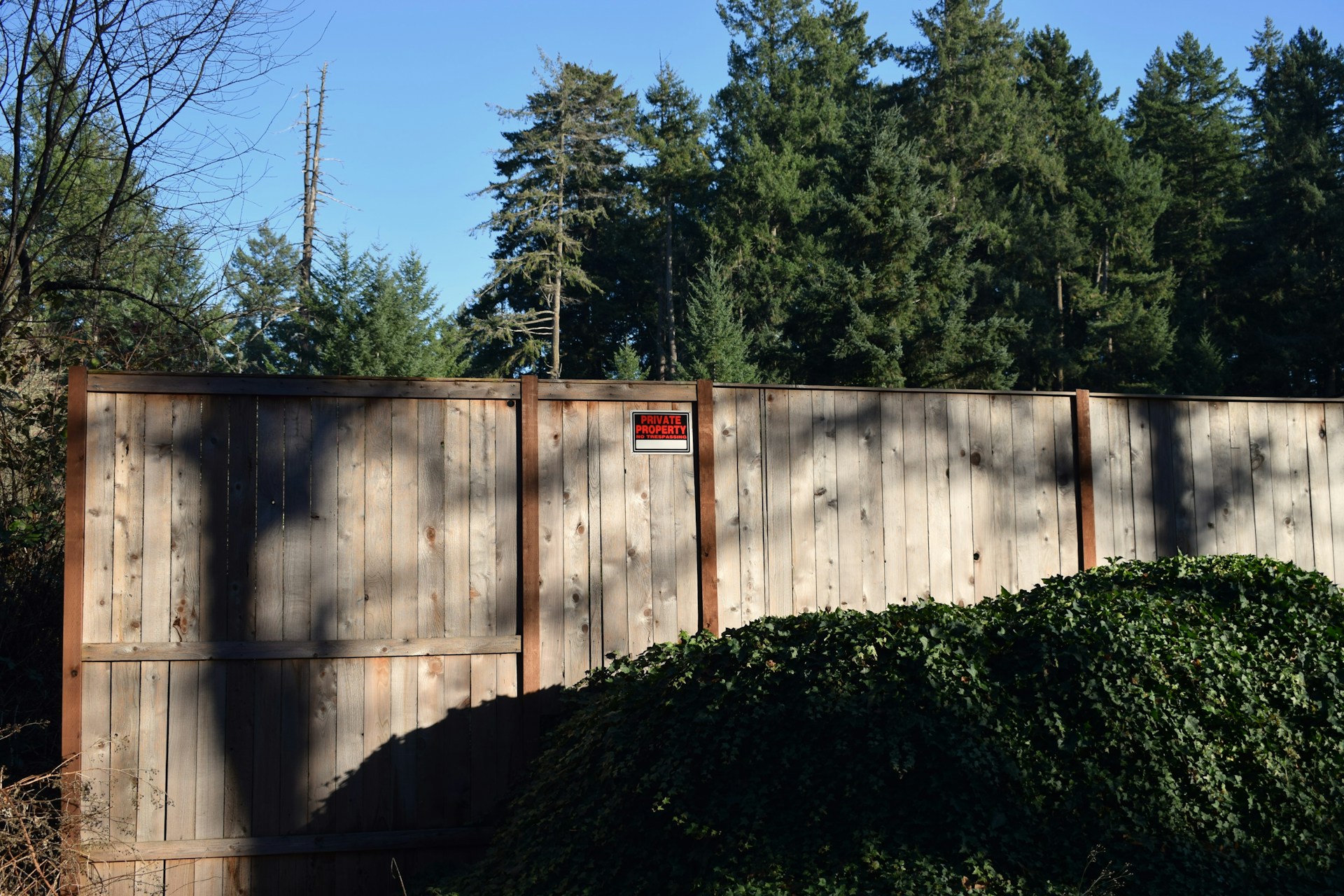
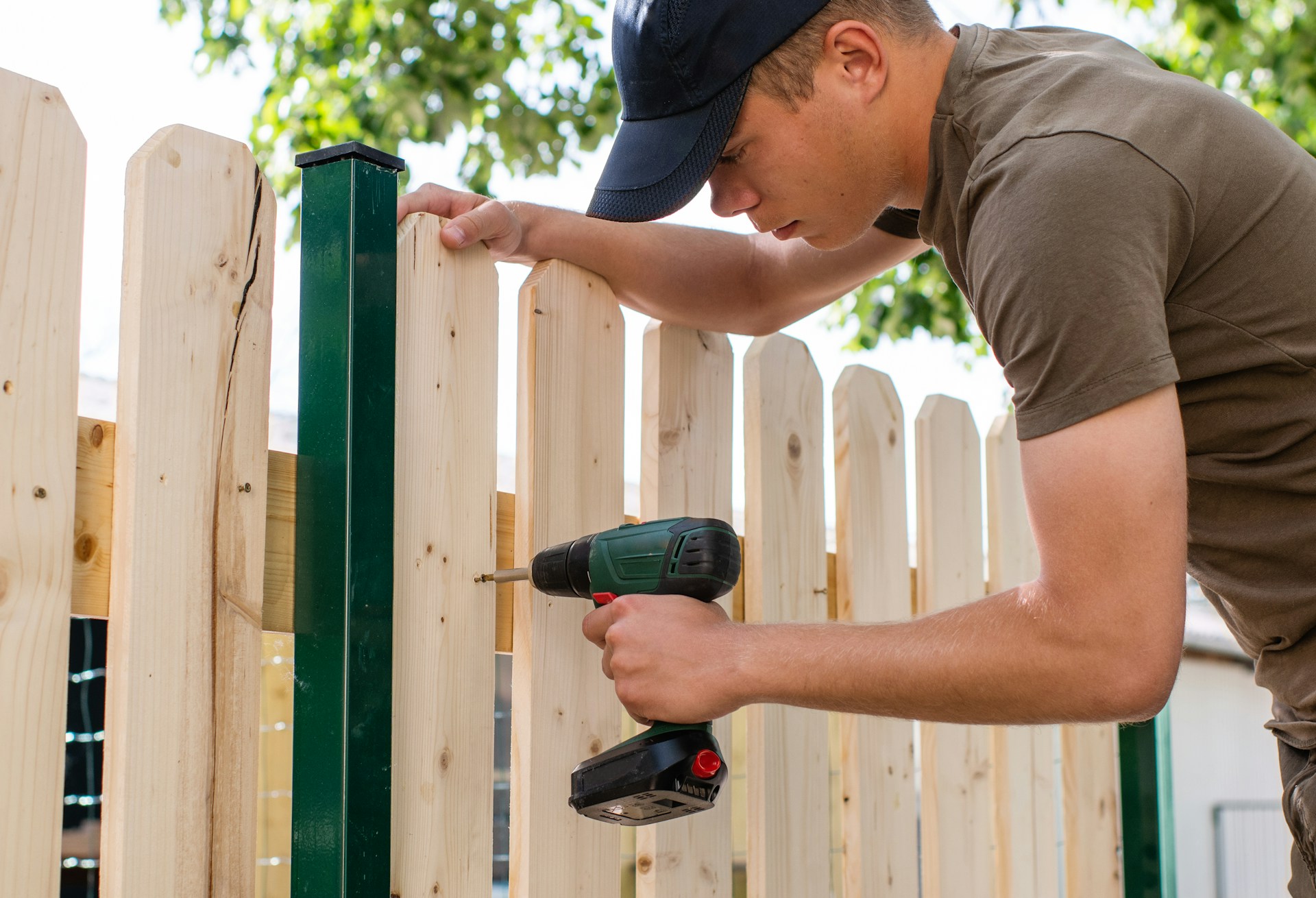
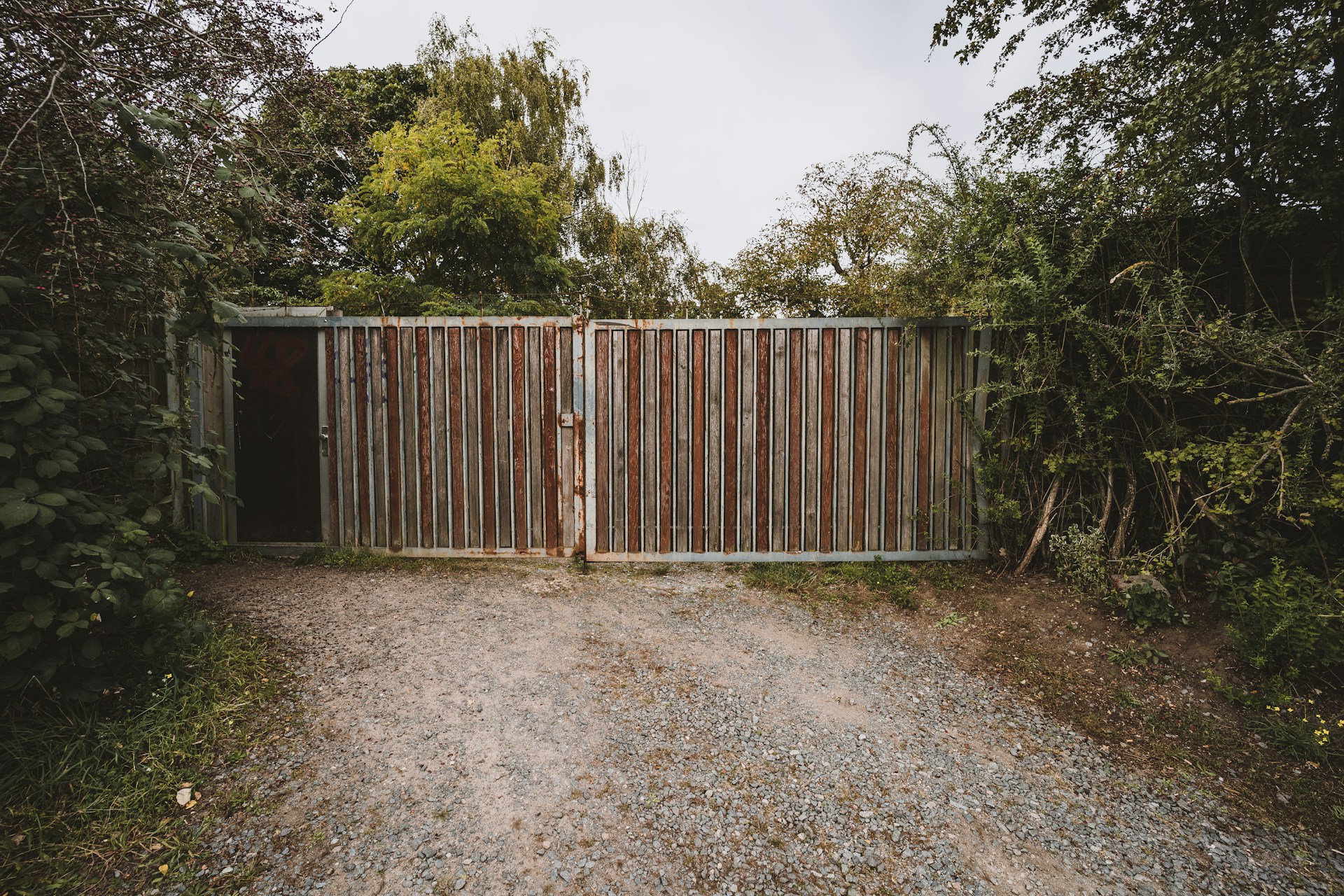
- Fences or gates that no longer sit straight beside the wall
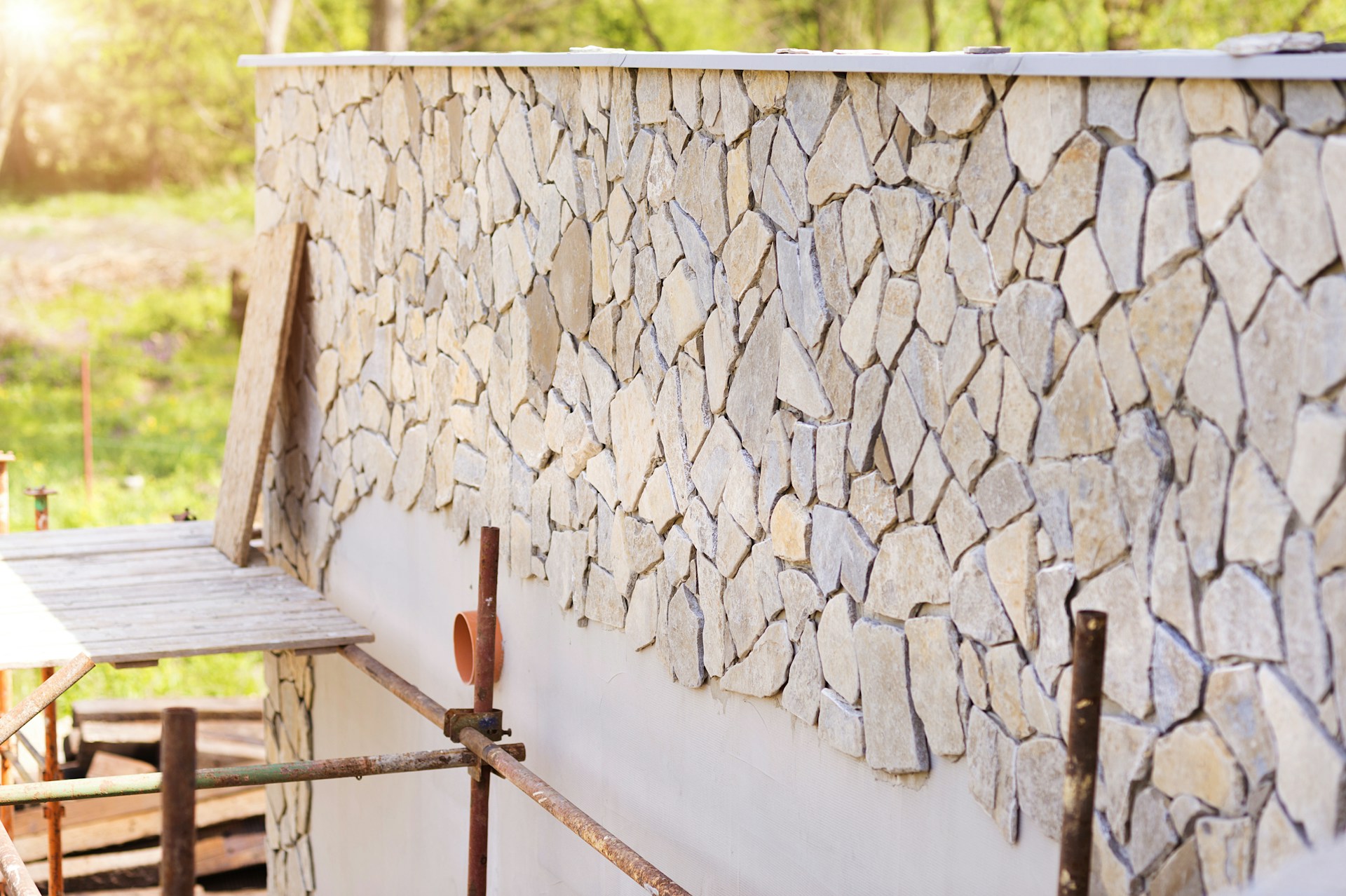
Concrete retaining walls provide a practical way to manage level changes and support soil around Perth homes and commercial properties. When a wall is suited to the site and installed with proper drainage, it can provide firm support where sloping ground or raised areas need to be held in place.
How Winter Rain Affects Retaining Wall Performance
Wet soil is heavier than dry soil, and that added weight presses against the back of a retaining wall. On sloping blocks, raised garden beds or sites where water cannot drain away freely, the pressure can build quickly. We often see winter rain bring existing weak points to the surface, particularly where a wall has been holding back damp soil for an extended period.
Water trapped behind a wall can also create hydrostatic pressure. Put simply, the water has nowhere to go, so it pushes outward against the structure. If drainage was not considered during the original installation, this pressure may contribute to cracking, movement, bulging or drainage failure over time.
The wall itself is not always the only source of the problem. Water can be directed towards it by surrounding features, including downpipes, paving, irrigation and nearby fencing. During an assessment, we look at the wider area because the way water moves across your block matters just as much as the wall materials.
Pay attention to changes such as overflowing gutters, downpipes discharging too close to a wall, or paving that now falls towards a raised garden area. These details can keep water sitting where it should be draining away.
Why Concrete Retaining Walls in Perth Suit Local Conditions
Concrete is a popular retaining wall material because it offers strength, longevity and a clean, practical finish. For Perth properties dealing with sandy soils, sloping land or notable changes in ground level, concrete can be a suitable option when the wall is planned for the conditions on site.
Rather than treating every property the same, we consider the wall height, the load it will support, site access and how water will be managed. A wall beside a driveway, fence line or raised garden may need a different approach from one supporting a larger level change near a building or boundary.
Concrete retaining walls in Perth can also be designed to suit the look and use of the property. Some owners want a neat edge for garden areas, while others need a more substantial structure to support soil around outdoor living spaces, parking areas or commercial grounds.
Lighter retaining options may work well in some situations, but they are not automatically the right fit for every job. The best choice depends on factors such as:
- The height and length of the proposed wall
- Soil conditions and the amount of ground being retained
- Access for materials and installation equipment
- Drainage needs around the site
- Local requirements and the intended use of the area
Drainage Supports Long-Lasting Wall Performance
Drainage should be considered part of the retaining wall system, not an optional addition. Its job is to move water away from the back of the wall so pressure does not keep building after heavy rain. Without a clear drainage path, even a strong wall can face ongoing stress from wet soil.
A well-planned installation may include several drainage features working together. The exact design will depend on the site, but common elements can include:
- Agricultural drains to carry water away from the wall
- Drainage gravel behind the structure
- Filter fabric to help keep fine soil out of drainage materials
- Weep holes where suitable for the wall design
- Surface grading that directs water away from retained areas
Regular checks are worthwhile after winter rain and before the next heavy downpour. Leaves, mulch and soil can block drainage outlets, while overflowing gutters, leaking pipes and poor garden falls can send unwanted water straight towards the wall.
Where drainage has failed or the wall is already showing movement, we recommend having the area assessed professionally. A proper review can identify whether the issue is limited to water flow or whether soil pressure has begun to affect the wall’s structure.
Planning Concrete Retaining Walls in Perth This Spring
Spring is a useful time to assess an older wall before new garden work, paving or fence projects begin. A wall that looks tired, undersized or damaged may need more than a surface repair, especially if wet-season water has exposed movement behind it.
Before planning concrete retaining walls in Perth, we assess the levels across the site, the direction of water flow, access for installation and the connection points around the wall. Fences, gates, driveways and garden areas all need to work together, rather than creating new places for water to collect.
Some projects may also require engineering, approvals or compliance with local regulations. This can be particularly important for higher walls or walls supporting neighbouring land. Reviewing these requirements early helps ensure the proposed work is appropriate for the property and avoids surprises once construction is underway.
A clear plan should account for both the wall you can see and the ground behind it. Soil support, drainage and surrounding structures all play a part in how the finished wall performs through future wet seasons.
Arrange a Site Assessment Before Summer Arrives
Cracks, leaning, water staining and blocked drainage should not be brushed aside as cosmetic problems. These signs may point to pressure or water issues that can grow over time, affecting the wall and the areas around it. We provide practical advice and tailored retaining wall solutions based on the conditions of your Perth property.
Before summer arrives, take note of where water pooled during winter and whether the ground, paving, fences or retaining wall have changed. Acting on small concerns early can help prevent a drainage issue from becoming a larger structural problem later.
Build A Retaining Wall That Lasts
WA Fencing and Retaining can assess your site and recommend concrete retaining walls in Perth suited to its soil conditions, levels and drainage needs. Our team focuses on practical solutions that support your outdoor space and protect nearby structures. To discuss your project or arrange an assessment, contact us today.