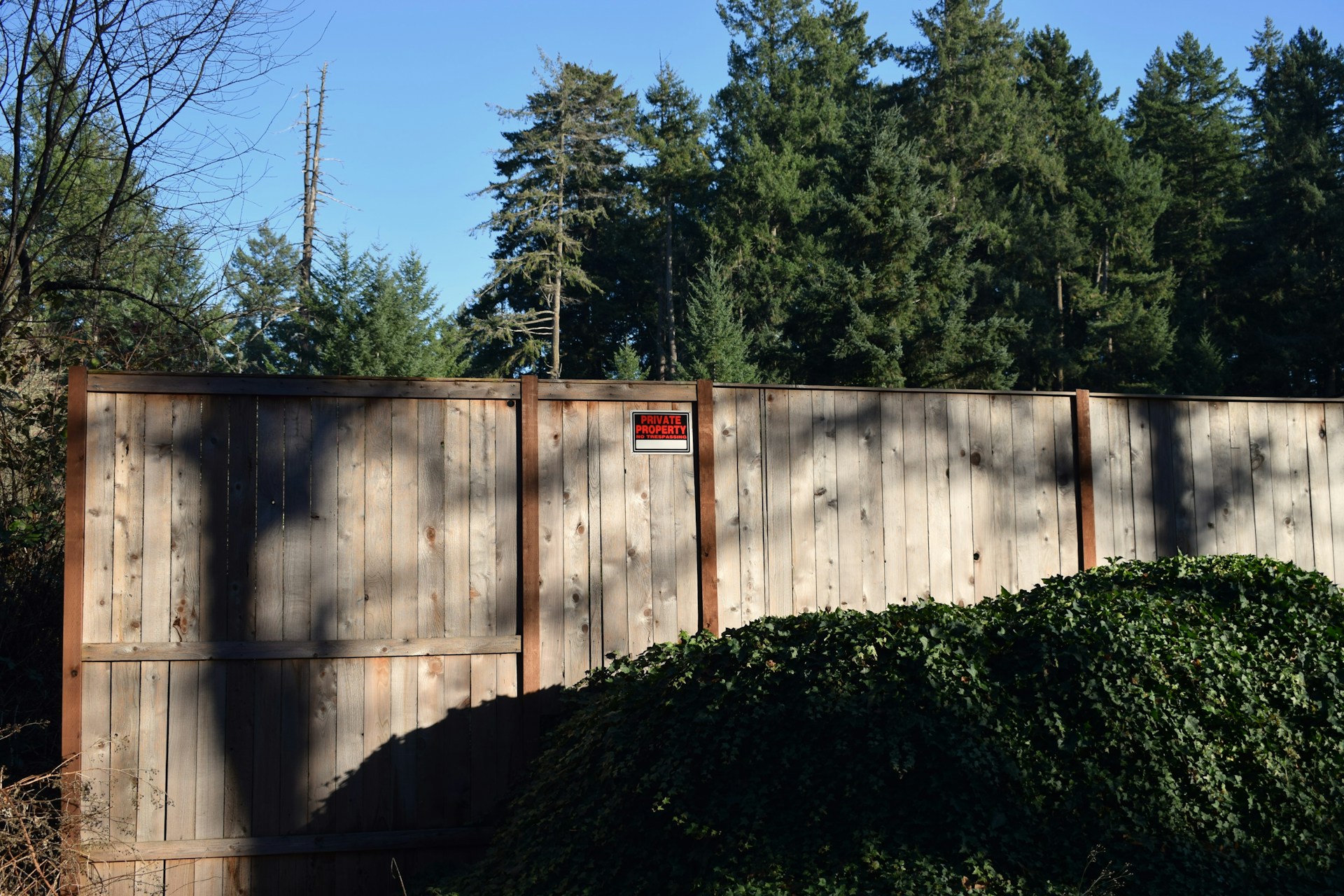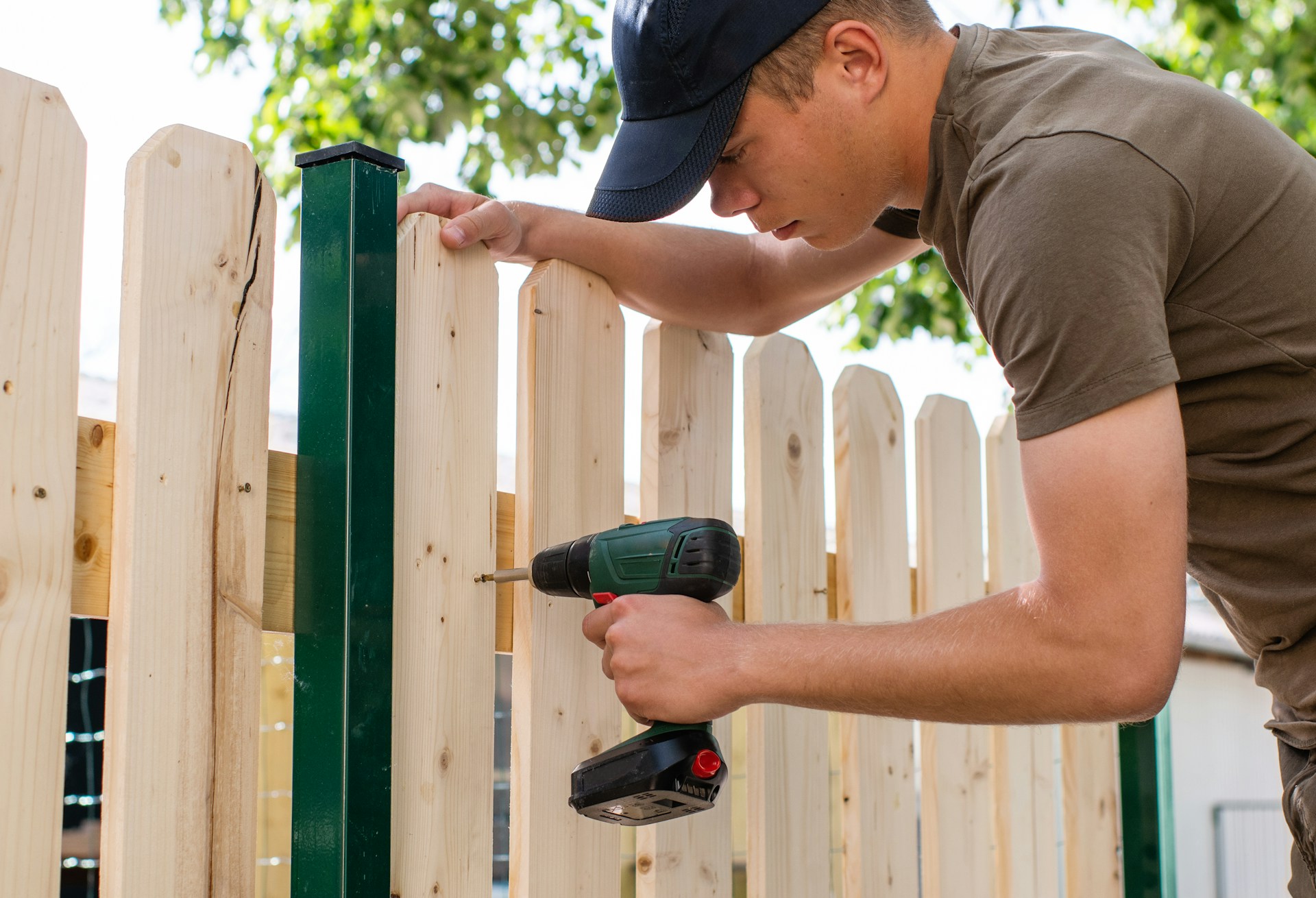
An insecure warehouse perimeter can quickly become an operational headache. Theft, vandalism and unauthorised access can put stock, machinery, vehicles and employees at risk. Even a damaged gate or a gap in fencing can disrupt deliveries and make it harder to control who enters your site.
We see fencing as a practical first line of defence for Perth warehouses. It sets clear boundaries, supports safer daily operations and helps protect the assets your business relies on.
Protect Warehouse Assets Before Security Gaps Widen
A fence does more than mark where your property ends. It creates a physical barrier around loading areas, storage yards, parked vehicles and equipment. When the perimeter is secure, your team can better manage access and focus on the day’s work.
An upgrade does not always mean removing every existing section. We often recommend looking closely at the areas most likely to cause problems, including:
- Damaged or low sections of fencing
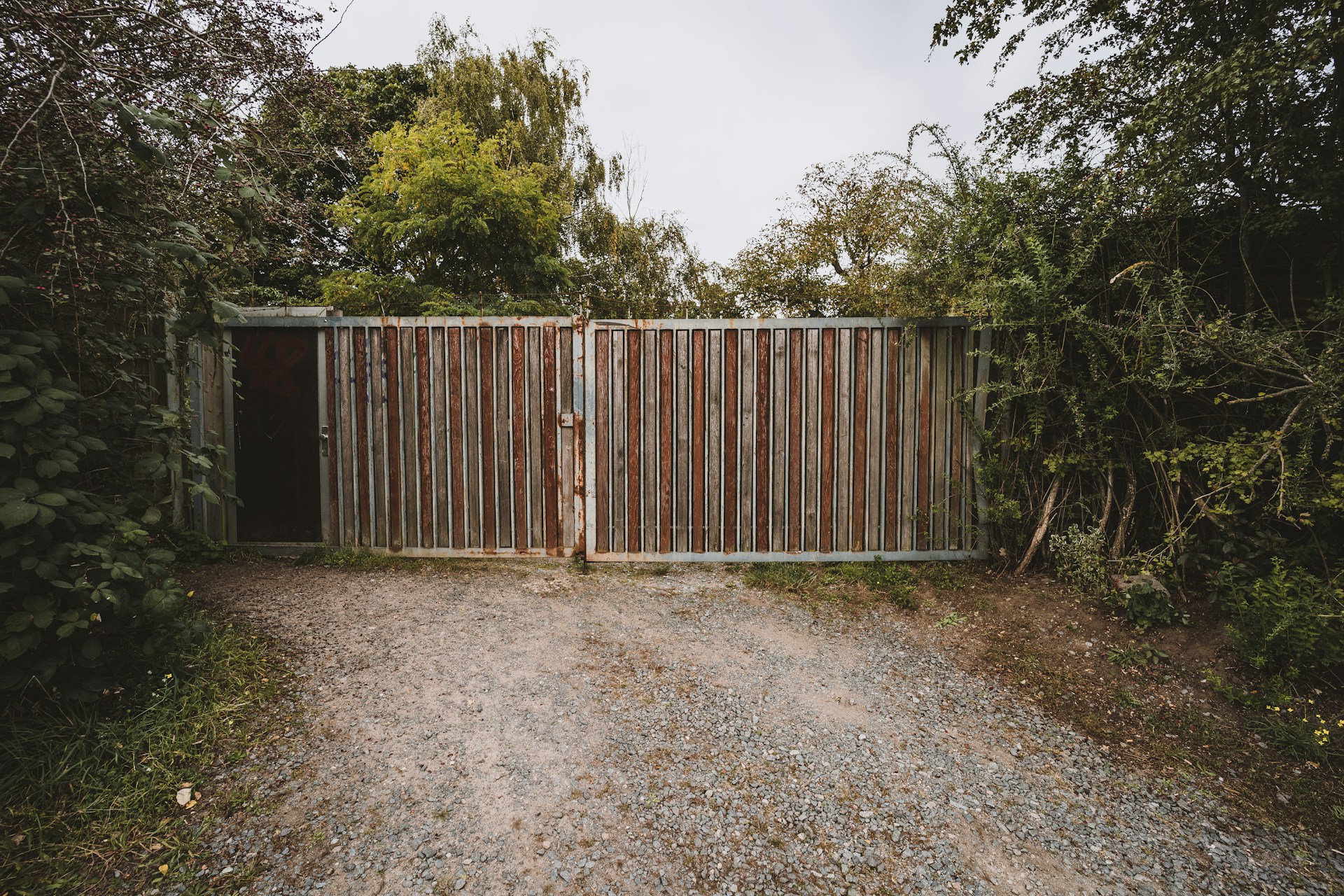
- Gates with weak locks or worn hardware
- Gaps beneath panels or along boundaries
- Areas with poor visibility or easy climb points
Targeted repairs, stronger gates or a more suitable fencing system can make a meaningful difference without unnecessary disruption to warehouse activity.
Signs Your Industrial Fencing in Perth Needs an Upgrade
Visible wear is often the first sign that industrial fencing in Perth needs attention. Rust, bent panels, loose posts and damaged chain mesh can weaken the fence and make a site look neglected. Leaning sections, broken welds and corroded gate hardware can also affect how safely the perimeter performs.
Security concerns matter just as much as appearance. Repeated trespassing, attempted break-ins or gates that will not close properly are clear warnings that the current system may no longer suit the site. Poor sightlines around the boundary can also make it harder for staff, security teams and CCTV cameras to monitor key areas.
Watch for issues such as:
- Chain mesh that has been cut, stretched or pulled loose
- Fence lines with gaps at ground level
- Posts that move when gates open or close
- Locks that stick, fail or are difficult to secure
- Sections that create a hazard for staff, visitors or neighbours
Damaged fencing can create safety and liability concerns where people are exposed to sharp edges, unstable structures or uncontrolled access. A professional assessment helps identify whether repairs, replacement sections or a broader upgrade are the sensible next step.
Choose Fencing That Matches Perth Warehouse Conditions
Perth warehouse sites can face salt exposure near the coast, strong winds, rain, intense sun and shifting soil. These conditions can affect posts, panels, gates and footings over time. We recommend choosing materials and installation methods that suit the property, not simply selecting the same fence used at another site.
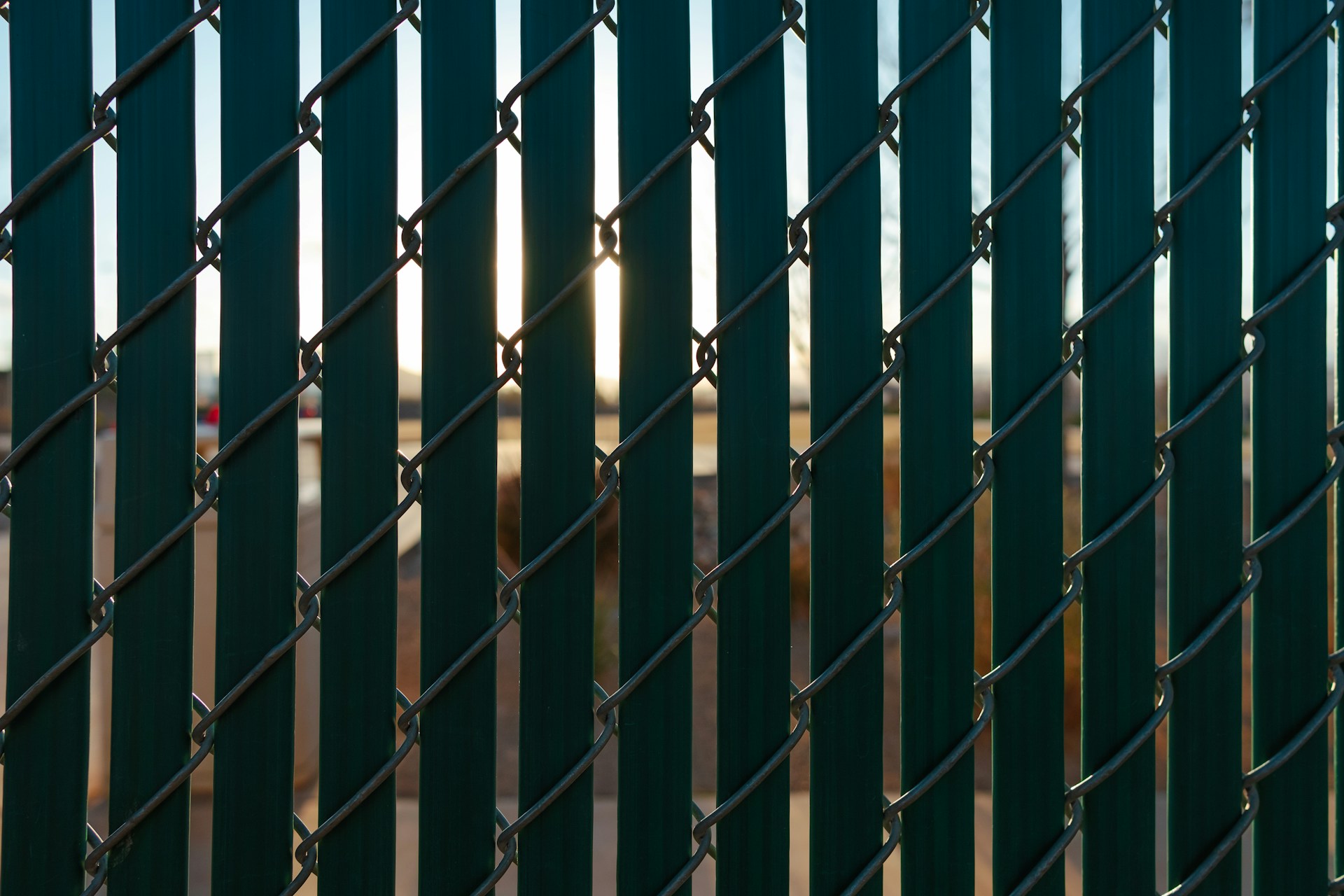
Chain mesh fencing can provide clear visibility around a boundary while creating a defined barrier. Steel security fencing may suit sites that need a stronger appearance and more resistance to access attempts. Palisade fencing can be a suitable option where climb resistance is a priority. The right gate matters too, especially where vehicles need regular entry and exit.
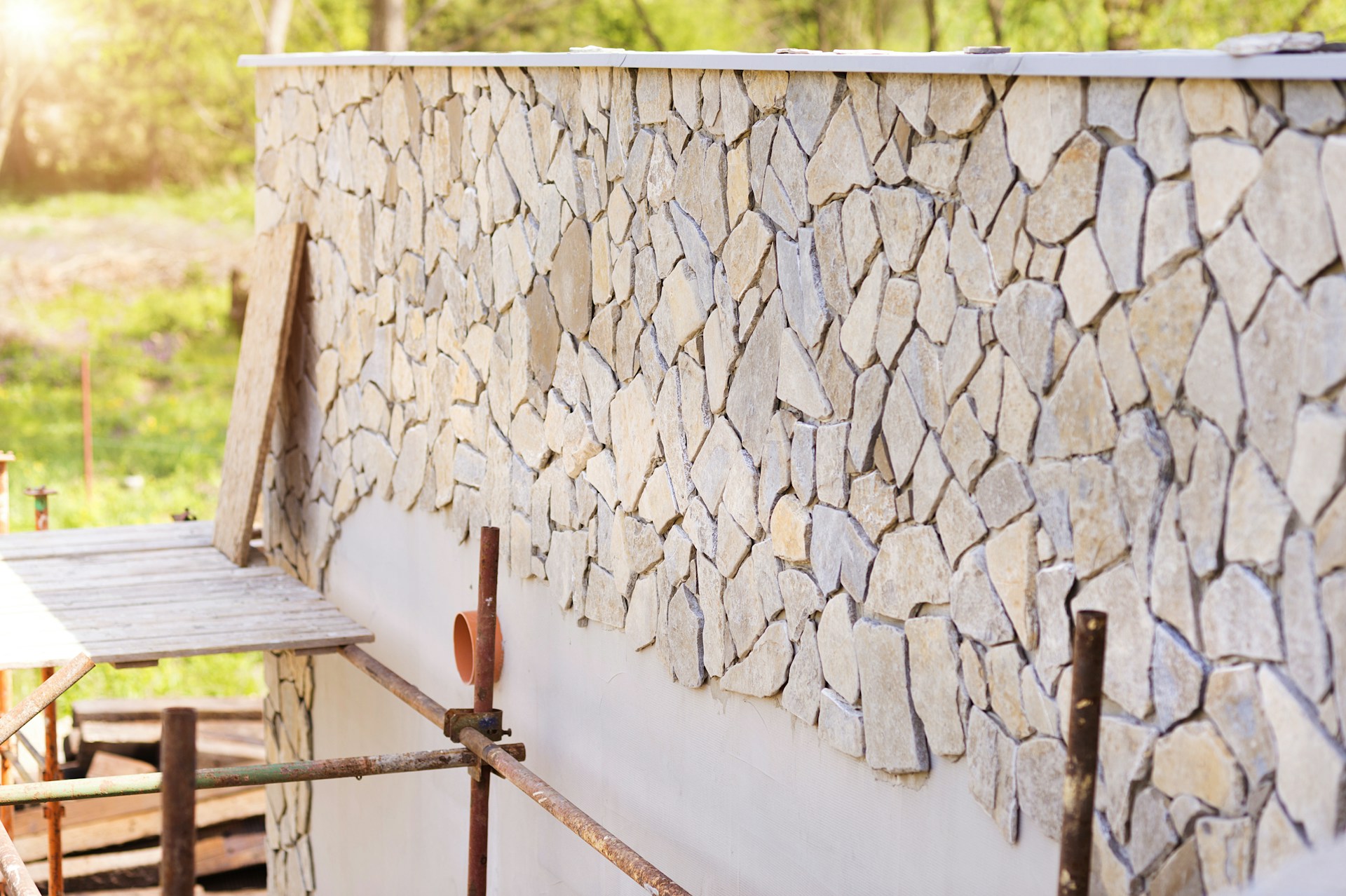
Uneven ground and changing site levels need proper planning. Professionally installed posts and footings help support long-term stability, while retaining solutions may be needed where soil needs to be held back near a fence line.
Balance Access Control, Visibility and Site Safety
A good warehouse fence should control entry without slowing down the workday. Sliding gates can suit wider vehicle access points, while swing gates may work well for smaller entrances. Clearly defined pedestrian gates can also help separate foot traffic from trucks, forklifts and delivery vehicles.
Visibility should remain part of the plan. We can help you consider where staff need clear views across loading areas, where security cameras need open sightlines and where a solid barrier may be more appropriate. The aim is to create a boundary that is secure without hiding risks inside the site.
Practical safety planning can include separating public areas from operational zones, securing hazardous materials and reducing easy climb points. Gates should also operate safely around regular vehicle movements, with enough room for trucks to enter, turn and leave without damaging fencing or creating congestion.
Plan an Upgrade Around Late Winter Site Conditions
Late winter is a useful time to inspect a warehouse perimeter. Rain can reveal pooling water, drainage issues and ground movement around fence posts. It can also expose weak footings, soft soil and areas where water is travelling beneath or alongside the fence line.
Planning ahead of spring growth and the busier summer period can help you avoid rushed decisions. A well-timed upgrade gives us the opportunity to consider how work can be staged around deliveries, staff access and daily warehouse operations.
Before any work begins, we recommend a site assessment that considers boundary lines, gate use, security risks, drainage, soil conditions and traffic flow. Retaining wall requirements should also be reviewed where changes in ground level could affect fence stability.
Arrange a Practical Warehouse Fencing Assessment
Upgrading warehouse fencing is an investment in site security, safety, asset protection and smoother operations. A careful inspection can reveal damage, weak access points and areas affected by seasonal rain before they become larger disruptions.
Walk the perimeter regularly and note any leaning sections, damaged mesh, unreliable gates or water collecting near posts. The most effective solution will consider how your site operates every day, not just how the fence looks from the street.
Strengthen Your Warehouse Security
WA Fencing and Retaining can assess your site’s access points, boundary requirements and operational needs. Our team delivers practical industrial fencing in Perth for warehouses seeking reliable protection and controlled access. Contact us to discuss a fencing solution suited to your premises.